


* Images shown are of mature plants

Have questions? Talk with our Plant Experts (800) 973-8959
Save 25% on $200+ with code FALL25.
Questions? Call our plant experts: (800) 973-8959
The beauty and bounty of edible flowers and delicious fruit
The Coolidge Pineapple Guava is a highly prized variety grown for both its ornamental beauty and exceptional fruit quality. Its evergreen foliage features glossy green leaves with silvery undersides, while mid-summer brings showy, edible pink flowers with deep red centers that taste surprisingly sweet—often compared to cotton candy. This variety is self-pollinating, though fruit production increases when planted near another pineapple guava such as Nazemetz.
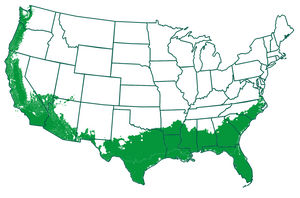
In late fall, Coolidge produces large, dark green fruits with a refreshing pineapple-mint flavor, perfect for fresh eating and desserts. Exceptionally drought tolerant once established, it is also salt tolerant and well suited to coastal areas and Northwestern climates. Whether used as a hedge, screen, or small patio tree, Coolidge delivers reliable performance with minimal ongoing care.
Planting & Care
1. Planting: Plant or repot within 4 weeks of arrival. Choose a full to part sun location with well-draining soil, but avoid areas with intense reflective heat or scorching afternoon sun. Dig a hole twice the width of the root ball and just as deep. Place the pineapple guava in the hole at the same depth it was growing in the pot, backfill with soil, and water thoroughly after planting. Apply a 3-inch settled layer of mulch around the plant to conserve moisture and protect shallow roots, keeping mulch pulled back a few inches from the trunk.
2. Watering: During the first few months after planting, keep the soil consistently moist to help roots establish. Once established, this plant is relatively drought tolerant when grown as an ornamental hedge and will need only occasional watering. When grown for fruit production, however, regular irrigation is important—especially during hot, dry weather—to support flowering and fruit development. Water deeply but infrequently, allowing the top few inches of soil to dry out between waterings.
3. Pruning: Light pruning can help maintain shape and improve airflow, particularly after flowering. Remove any dead, damaged, or crossing branches to keep the plant healthy and encourage new growth. Pruning can also help manage size when used as a hedge.
4. Fertilizing: Fertilize once per year in early spring with a balanced, slow-release fertilizer, such as an 8-8-8 formula. If soil is poor, incorporate compost to improve soil structure and fertility. Most soils benefit from yearly applications of compost to maintain long-term plant health.
5. Harvesting: Fruits are typically ready to harvest in fall, about 6–7 months after flowering. Pineapple guava tastes best when allowed to ripen on the tree. Place a tarp beneath the plant and gently shake the branches—ripe fruits will fall easily. Enjoy immediately or store in the refrigerator for up to one week.
Shipping Details
Estimated Shipping Time: Most orders ship immediately. As noted on the website, some items are seasonal, and may only ship in spring or fall. Once your order is shipped, you'll receive an email with a tracking number.
| Amount of Order | Shipping Charge |
|---|---|
| Less than $49 | $19.95 |
| $49 + | FREE SHIPPING! |
Product Details
| Mature Height: | 10-15 ft. |
| Mature Width: | 10-15 ft. |
| Growth Rate: | Moderate Growing |
| Botanical Name: | FEIJOA SELLOWIANA COOLIDGEI |
| Does Not Ship To: | AK, AZ, CA, HI, TX |
| Grows Well In Zones: | 8-11 outdoors |
| Your Growing Zone: | # |