


* Images shown are of mature plants

Have questions? Talk with our Plant Experts (800) 973-8959
Save 25% on $200+ with code FALL25.
Questions? Call our plant experts: (800) 973-8959
Unique, Sweet Cotton Candy Like Berries
The Strawberry Tree, also known as the Cottony Candy Tree, Jamaican Cherry, or Panama Berry, is a large semi-evergreen shrub or tree that attracts attention all year with its vibrant colors and slightly weeping form. Strawberry Trees are also popular for the delicious fruit they produce during the warm season, which are often enjoyed right off the tree.
Glossy green leaves draw visual attention to the Strawberry tree throughout most of the year but the real show starts when it blooms. Thousands of bell shaped white to pink blossoms erupt to fill landscapes with pops of color, giving way to tons of bright red fruits that resemble strawberries or cherries, giving this tree its name. The colorful fruit hangs all over the tree creating a visual spectacle that remains unrivaled.
The unique fruit has soft inner flesh with a mildly sweet flavor, similar to a fig or cotton candy. It's popular to use the fruit of a Strawberry tree to produce sweet preserves, jams, and fruit wine.
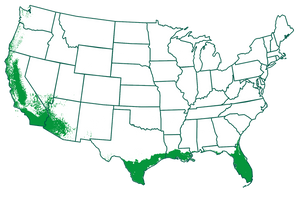
Once established, strawberry trees can withstand moderate drought and brief, light frost. Adaptable to different soil types, they thrive in the warm, Western coastal regions or the Southeastern subtropics. With regular irrigation, they are fast growers. Adding this unique tree to your yard will surely be a delight for years to come.
Pollination Info
Cotton Candy Strawberry Tree Pollination
Cotton Candy Strawberry Trees are self-fertile. You will get fruit with only one plant. However, adding an additional Cotton Candy Strawberry Tree will drastically increase the size of your crop.
Planting & Care
Location: Choose a location where your strawberry tree will receive full or partial sunlight and the soil drains well. They prefer acidic soil but can tolerate a variety of conditions and do well in coastal areas as they are salt-tolerant.
Note: This product grows best in well-draining soil. When you receive your plant, you may notice small, white beads or rocks in the soil - this medium is added to increase drainage and keep your plant happy and healthy!
Planting Directions:
1) Dig a hole for your strawberry tree that is three times as wide as the root ball and equal in depth.
2) Remove your tree from its container and place into the hole, ensuring it is standing upright and the top of the root ball is even with the ground.
3) Begin backfilling the hole with existing soil, tamping down lightly as you fill. Amend the soil with compost or peat moss to improve drainage.
4) Immediately water the area to settle the soil and help to eliminate air pockets.
5) Mulch around the base of the tree to conserve soil moisture and prevent weeds/grass from growing.
Watering: Water your tree regularly while it is establishing. Ensure the soil is moist, but not too wet. Once established, they are drought-tolerant so your normal rainfall will be enough unless you are experiencing extreme droughts or heat.
Fertilization: Apply an organic fertilizer or a slow-release fertilizer in spring.
Pests and Diseases: They are virtually pest free and disease resistant, but fungal issues can occur. A fungicide will help to prevent the spread of fungus.
Pruning: Very little pruning is needed to maintain the tree. Any diseased or broken branches can be pruned in spring.
Shipping Details
Estimated Shipping Time: Most orders ship immediately. As noted on the website, some items are seasonal, and may only ship in spring or fall. Once your order is shipped, you'll receive an email with a tracking number.
| Amount of Order | Shipping Charge |
|---|---|
| Less than $49 | $19.95 |
| $49 + | FREE SHIPPING! |
Product Details
| Mature Height: | 15-30 ft. |
| Mature Width: | 15-30 ft. |
| Growth Rate: | Moderate Growing |
| Botanical Name: | Muntingia calabura |
| Does Not Ship To: | AK, AZ, HI, OR |
| Grows Well In Zones: | 9-11 outdoors |
| Your Growing Zone: | # |