


* Images shown are of mature plants

Have questions? Talk with our Plant Experts (800) 973-8959
Late bloomer for added frost protection
The Texas Mission Almond Tree brings a unique charm to your landscape with its stunning late spring blooms and distinctive almond scent. Perfect for areas prone to late frosts, this tree’s blooming cycle helps ensure that your blossoms remain unharmed during sudden frosty spells. With an inviting canopy of lush green leaves and the added bonus of fragrant flowers, it truly stands out in any gardening space and enhances the beauty of your yard.
This durable tree is not just a feast for the eyes; it attracts beneficial pollinators, offering them a safe haven while supporting local ecosystems. Its moderate size makes it ideal for both small and large spaces, whether you're planning a centerpiece in your garden or a companion for native plants. When properly cared for, the Texas Mission Almond will provide years of aesthetic appeal and enjoyment.
Pollination Info
Texas Mission Almond Tree Pollination
Texas Mission Almond Trees are self-fertile. You will get fruit with only one plant. However, adding an additional Texas Mission Almond Tree will drastically increase the size of your crop.
Planting & Care
1. Planting: Plant or repot within 4 weeks of arrival. Remove the stake and ties at planting, as these are only for shipping. Choose a site with well-drained soil and plenty of sunlight to establish the tree successfully. Dig a hole twice the width of the root ball and the same depth; place the tree in the hole, ensuring that the top of the root ball is level with the soil surface.
2. Watering: Water your Texas Mission Almond Tree well after planting, providing deep irrigation to encourage root development. During the first year, ensure the tree receives adequate moisture, watering once a week or more often in very dry conditions. Once established, reduce frequency, watering only during prolonged dry spells.
3. Pruning: To maintain a healthy shape and promote growth, prune the tree in late winter or early spring before new growth begins. Remove any dead or damaged branches, and thin out crowded limbs for improved air circulation. Regular pruning will help the tree develop a strong structure and encourage blooming.
4. Fertilizing: Feed your Texas Mission Almond Tree with a balanced, slow-release fertilizer in early spring as the new growth appears. A light application during the growing season can support healthy development. Avoid over-fertilizing, which can lead to excessive foliage growth at the expense of blooms.
Shipping Details
Estimated Shipping Time: Most orders ship immediately. As noted on the website, some items are seasonal, and may only ship in spring or fall. Once your order is shipped, you'll receive an email with a tracking number.
| Amount of Order | Shipping Charge |
|---|---|
| Less than $49 | $19.95 |
| $49 + | FREE SHIPPING! |
Product Details
| Mature Height: | 10-20 ft. |
| Mature Width: | 10-20 ft. |
| Growth Rate: | Moderate Growing |
| Botanical Name: | Prunus dulcis |
| Does Not Ship To: | AK, AL, AR, AZ, CA, CO, HI, ID, LA, MS, OR, WA |
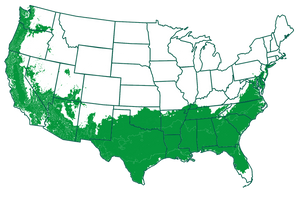
| Grows Well In Zones: | 7-9 outdoors |
| Your Growing Zone: | # |